Your asphalt driveway isn't looking so hot anymore, is it? Maybe it's got cracks, potholes, or just looks generally worn out. You might be thinking about replacing it, but have you heard about asphalt milling? It's a smart option for a lot of folks, especially if the base underneath is still solid.
Milling is basically just grinding off the top layer of your existing asphalt. We use a big machine with a rotating drum that has a bunch of carbide teeth. It chews up the old asphalt, leaving behind a rough, textured surface. That material, called millings or reclaimed asphalt pavement (RAP), can then be reused. It's a pretty eco-friendly choice, and often easier on the wallet than a full tear-out and replace.
Before the Milling Begins: Planning Your Project
First off, you need to figure out if milling is even the right solution for your driveway. If your driveway is completely falling apart — like the base is shot and you've got huge, deep cracks everywhere — milling might not cut it. Milling works best for driveways with surface issues: things like alligator cracking, raveling, or just a worn-out top layer, but where the underlying structure is still sound. Think of it like sanding down an old wooden deck before you stain it; you're taking off the bad top layer to prepare for a new one.
You'll also want to consider drainage. Elkhart gets its fair share of rain and snow, and you certainly don't want water pooling on your new surface. If your current driveway already has drainage issues, milling won't fix that. In fact, if the milling machine can't get good runoff, you might end up with new problems. A good contractor will assess your grade and make sure water will shed properly.
Another thing to think about is the depth. How much asphalt do you want to remove? Most residential milling jobs are usually 1 to 2 inches deep. This takes off the damaged surface without disturbing the base too much. Any deeper, and you're getting into more complex territory that usually requires a full paving crew.
During the Milling Process: What to Expect
This isn't a DIY job, plain and simple. Unless you own a multi-ton milling machine and know how to operate it, you're going to need a professional for this part. These machines are massive, dangerous, and require a skilled operator to get a consistent, level surface. You wouldn't try to build a house with a toy hammer, right? Same principle.
When we come out, we'll mark off the areas to be milled. We'll set the depth, and then the machine gets to work. It's loud, dusty, and pretty impressive to watch. The millings are usually collected by a conveyor belt on the machine and loaded directly into dump trucks. This keeps the site clean and efficient.
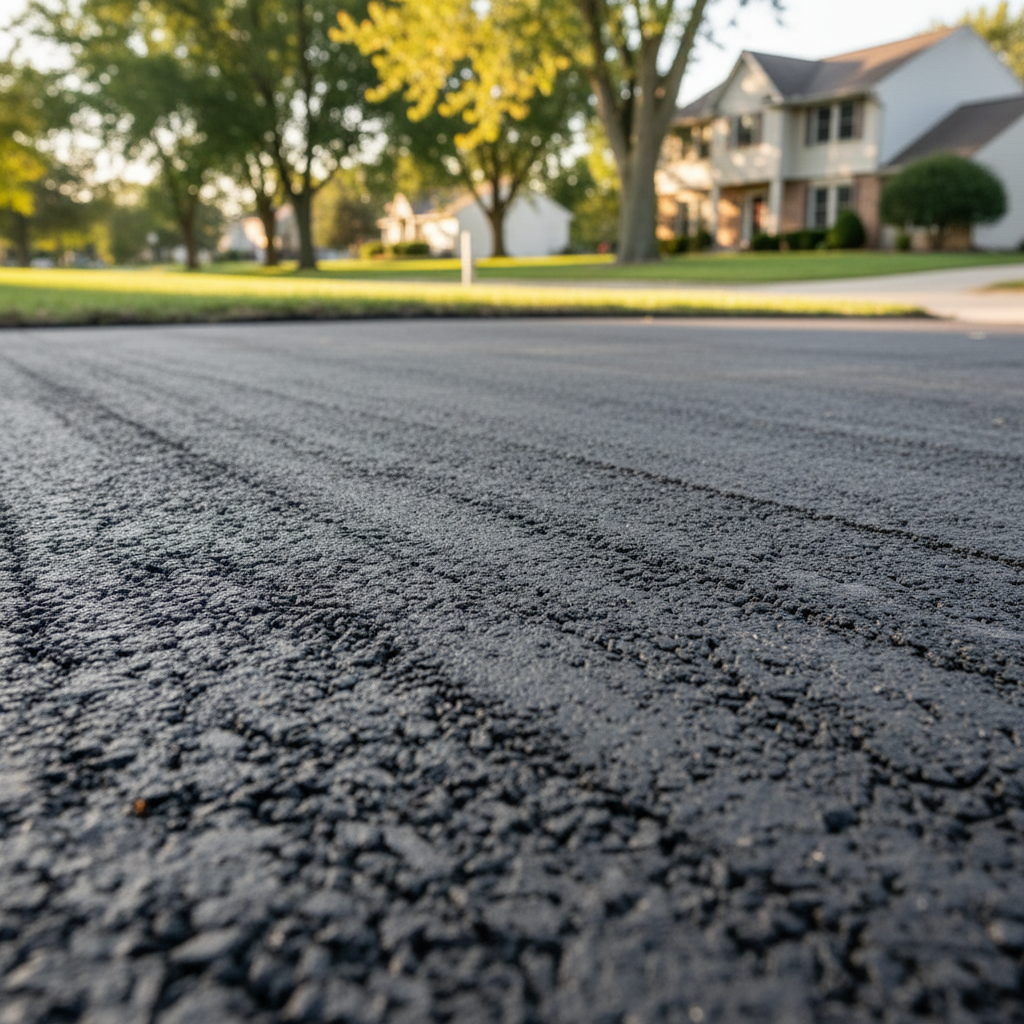
Once the milling is done, you're left with that rough, textured surface. This is a great surface for a new layer of asphalt to bind to. It's much better than trying to pave over old, smooth, or cracked asphalt. Sometimes, depending on the plan, we'll apply a tack coat (a sticky asphalt emulsion) to help the new layer adhere even better.
After the Milling: Your Next Steps
So, you've got your milled surface. What now? You have a couple of options, and this is where you need to make a decision based on your budget and desired outcome.
- Overlay with New Asphalt: This is the most common and recommended approach. After milling, you'll put down a fresh layer of hot asphalt. This gives you a smooth, durable, brand-new looking driveway. It's usually a thinner layer than a full new driveway, saving you some money, but still giving you that fresh pavement feel. This is definitely a job for the pros.
- Leave it as a Gravel-like Surface: Some folks, especially on longer driveways or rural properties like those out past Baugo Creek, will mill their asphalt and then just leave the millings as a compacted gravel-like surface. The millings will compact over time, especially with vehicle traffic, and create a pretty stable surface. You can even roll them with a vibratory roller to speed up compaction. This is a more budget-friendly option and can be a good DIY project if you're handy with a roller (which you can rent) and don't mind a less formal look. It won't be as smooth or durable as new asphalt, but it's better than a broken-up old driveway.
- Stabilize with a Binder: You can also mix a binding agent (like an emulsion or even cement) into the millings and then compact them. This creates a stronger, more stable base than just loose millings. This is a bit more involved than just compacting, and while some ambitious DIYers might try it, it's usually best handled by someone with experience to ensure proper mixing and compaction.
Remember, a milled surface — if you're not immediately paving over it — will still have some loose material. You'll want to sweep or blow off any loose bits before you drive on it, especially if you're planning an overlay. If you're leaving it as a compacted surface, just know that some loose material will always be present, especially after heavy rain.
Whether you're looking for a fresh, smooth asphalt overlay or a cost-effective compacted surface, milling can be a great first step. At Ace Asphalt Company, we've seen all kinds of driveways around Elkhart, and we can help you figure out the best plan for yours. Don't hesitate to give us a call if you've got questions or want to explore your options. It's always better to get a professional opinion before you start digging into your driveway.