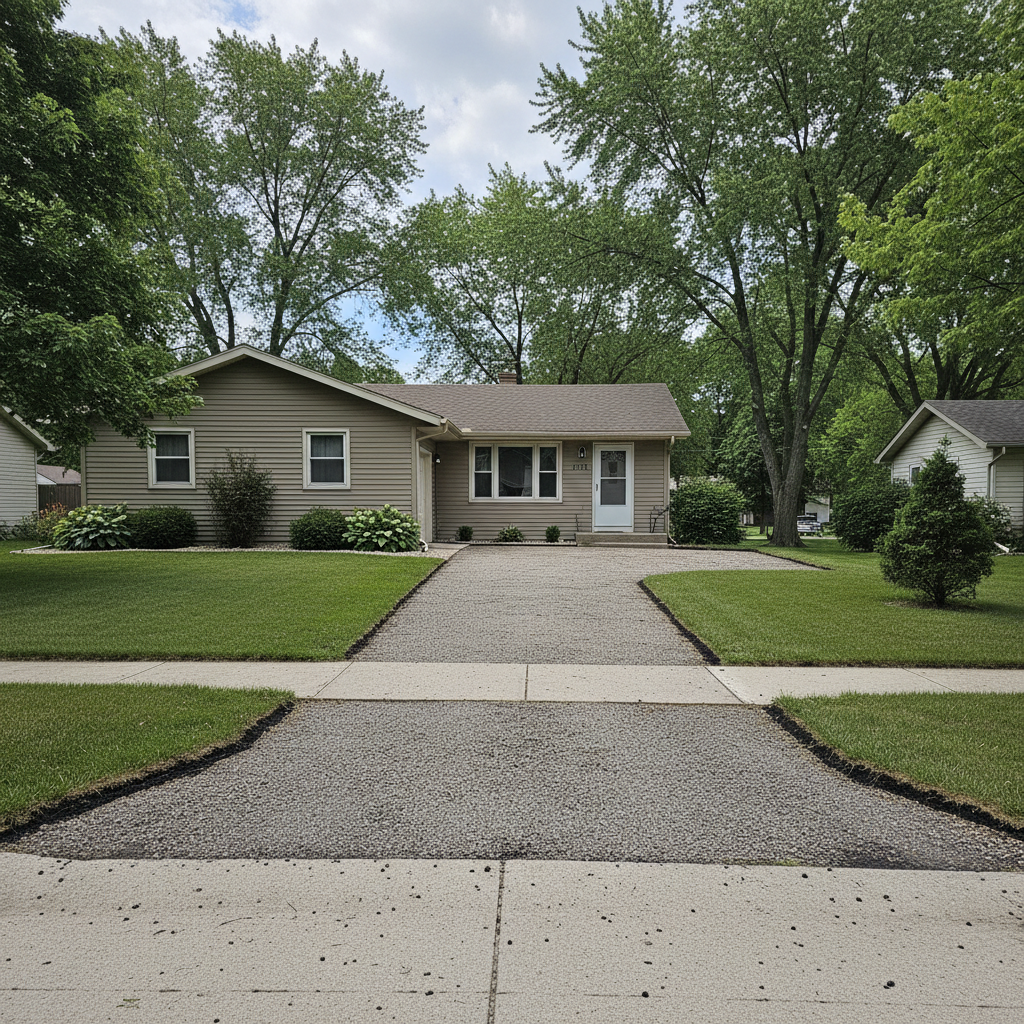
So, you're finally ready to tackle that cracked, bumpy driveway. And asphalt milling? It sounds like a smart, cost-effective way to go. Most times, it really is! But, I've seen plenty of folks right here in Elkhart trip up on some pretty common mistakes. These can turn a good idea into a real headache. Let's talk about what to look out for, so your project doesn't leave you with buyer's remorse.
Mistake #1: Not Really Understanding What Milling Is (or Isn't)
A lot of homeowners hear "milling" and figure it's just a fancy word for "repaving." Nope, not quite. When we mill, we're actually using a specialized machine to grind down the very top layer of your existing asphalt. This creates a fresh, perfectly level surface. Then, we lay a new layer of asphalt right on top. It's fantastic for fixing drainage problems, getting rid of seriously damaged sections, or just giving us a smooth foundation to work with. What it won't do, though, is magically fix a completely shot sub-base. If your driveway is sinking in spots because the ground underneath is toast, milling alone won't solve that long-term issue. You might need a full tear-out and replacement instead, which is a whole different ballgame.
Always make your contractor explain exactly what they're suggesting and why. If they can't clearly tell you how the process benefits *your specific situation*, well, that's a pretty big red flag.
Mistake #2: Skipping the Sub-Base Check
This really connects back to my first point. Elkhart winters, as we all know, are no joke. Those freeze-thaw cycles can absolutely destroy asphalt, especially if the ground underneath isn't stable. I've seen plenty of driveways on older properties, particularly where we have more clay-heavy soil, where the original sub-base just wasn't put in right. Milling over a failing sub-base? That's like painting over a rotten fence. It'll look good for a little while, but the underlying problem will pop back up, often way too quickly. A good, reputable contractor will always look at the sub-base. They might even suggest digging a small test pit if there are signs of serious issues below. Don't let anyone just assume the base is fine — that's asking for trouble.
Mistake #3: Picking the Cheapest Bid Without Asking Questions
Look, everyone wants a good deal; I get it. But with asphalt work, that lowest bid often means someone's cutting corners. Here's what you really need to dig into:
- Material Quality: Are they using brand-new asphalt, or is there a high percentage of recycled asphalt pavement (RAP) in their mix? RAP is good for the environment and can work well, but too much of it, or if it's not mixed correctly, can hurt durability. Ask about the mix design.
- Layer Thickness: How thick will that new asphalt layer actually be? Going too thin is a common mistake. For a residential driveway, you generally want at least 2-3 inches of compacted asphalt over the milled surface. Anything less, and you're practically inviting cracks and potholes to show up sooner rather than later.
- Compaction: Proper compaction is absolutely vital for a long-lasting surface. Ask them about their compaction process and what equipment they use. A good contractor will have rollers that achieve the right density.
- Permits: For bigger projects, especially if they affect drainage or public areas, you might need permits. Make sure your contractor handles all that.
If a bid seems too good to be true, it probably is. You're putting money into your home; make sure it's a solid investment.
Mistake #4: Not Checking References or Insurance
This one seems obvious, right? But you'd be surprised how many people skip it. Always ask for references from recent milling jobs. And then, actually call those references! Ask about how the contractor communicated, if they showed up on time, and the quality of their work. Also, confirm they have proper insurance — both liability and worker's comp. If someone gets hurt on your property and your contractor isn't insured, you could end up on the hook for it. Here at Ace Asphalt Company, we always carry full insurance, and we're happy to show you proof and give you references.
Mistake #5: Ignoring Drainage Issues
Milling offers a fantastic chance to fix those smaller drainage problems. If you've always had a puddle form near your garage door, or water pooling along the edge of your driveway, now's the perfect time to get it sorted. A good contractor will plan for proper grading and slope, making sure water flows away from your home and its foundation. Don't just assume they'll take care of it; talk about your drainage concerns upfront. It's way cheaper to fix it while we're milling than after the new asphalt is already down.
By being a little more informed and asking the right questions, you can easily avoid these common pitfalls. That way, your asphalt milling project here in Elkhart will go smoothly. It's your property, after all, so take the time to protect your investment.